
Fresh From the frank Stage
Standout talks from the most recent 2023 gathering, featuring bold voices, urgent truths and unforgettable moments.

Amahra Spence
Liberation Rehearsal Notes from a Time Traveler

Shanelle Matthews
Narrative Power Today for an Abolitionist Future
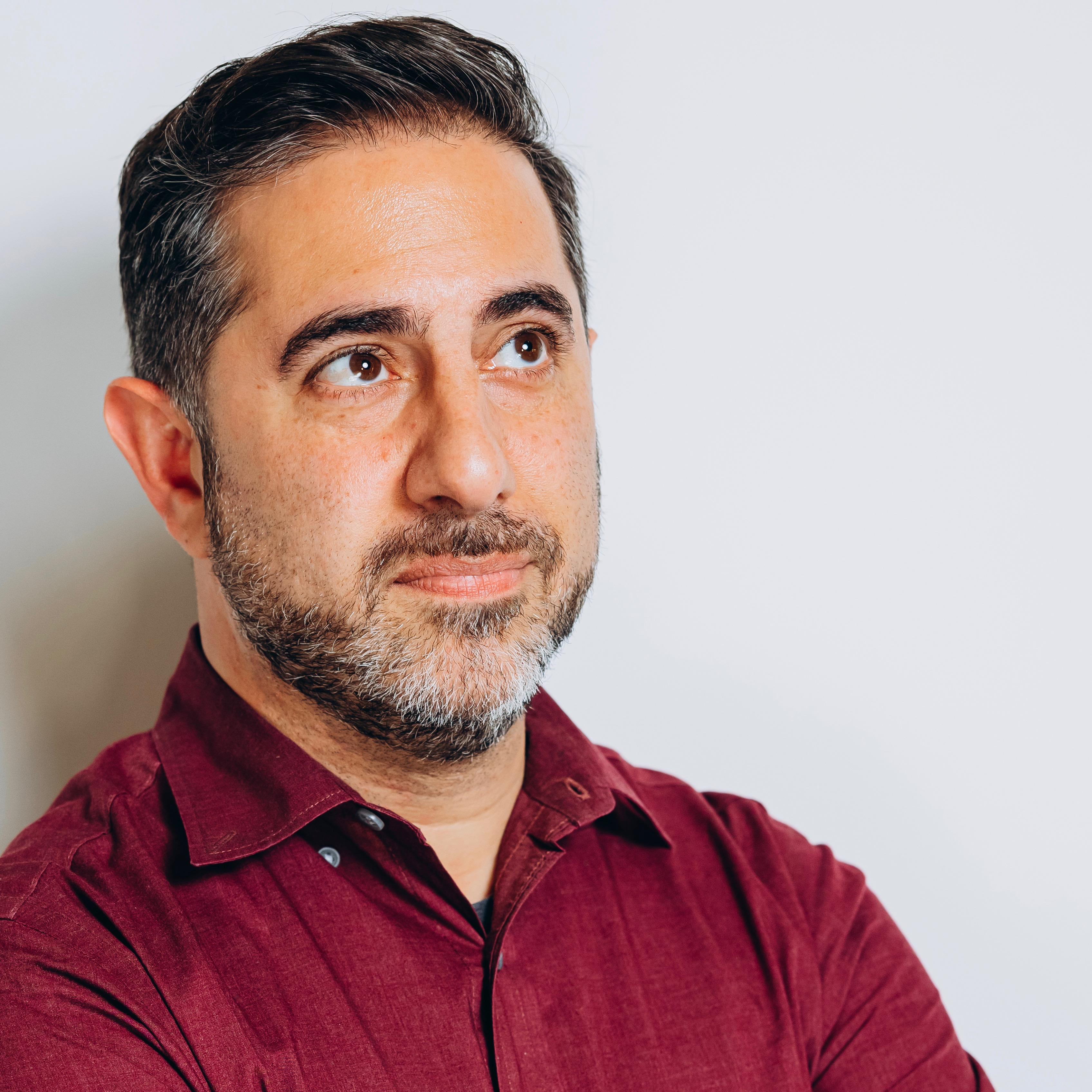
Nima Shirazi
Irresistible Forces, Immovable Objects
The Speaker
Watch Next
-
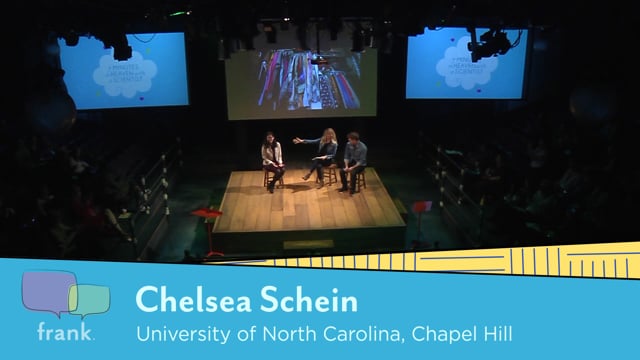 Seven Minutes In Heaven… With A Scientist
 -
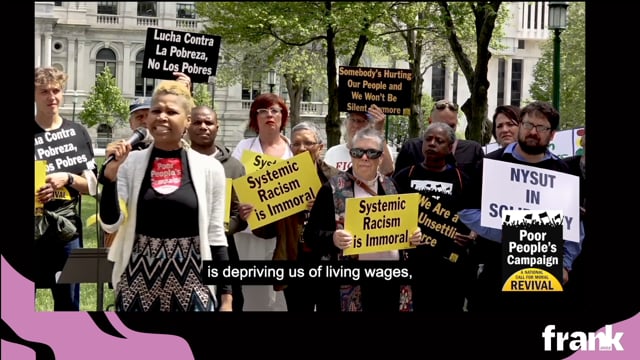 Moral Uprising with the Poor People’s Campaign
 -
 The Unintended Consequences of Emotional Appeal
The Speaker
Untitled
Stories from Here
ArtComing to AmericaCommunicationsCreativityFamilyGlobal StoriesPublic InterestStorytelling
Transcript
My name is Andre LaRoe and I’m going to talk to you about accessing and utilizing the pride of your subjects is so vital to take your communications to the next level. So in 2017 I worked on a project called Nation of Newcomers and it was centered on the question how did your family come to America? I worked on it with two of my friends and these are some of the stories that we got over here. We came from there. Okay, well, it’s all right. I guess we had a little slight malfunction but the stories, some of the quotes that came out that were very, very powerful. One woman talked about their family winning the lottery in Poland and how they had to uproot their whole family and move in three months and what that felt like but what being American means to her. I had another person that said that her parents grew up under a regime in the Philippines where they didn’t have the opportunity to have freedom of thought and then she got to go to the Women’s March the next day and just what that opportunity meant for her. And we’re doing these interviews in a room literally a quarter of the size and it was so, oh, okay, never mind. Here we go. Jennifer’s quote really stood out to me. She said we were never born with a sense of entitlement because we understand that without the hard work of our parents and our families and our ancestors, we would never be where we are today. It’s such a powerful thing. This is the one I was talking about. She grew up under the dictatorship the Marcos where freedom of thought wasn’t a thing. Orja Navey was talking about moving here and losing his father in early age and how America means hope for him because he and his brother worked hard to own the house they have today. I’m standing there and I’m knee deep in these people’s pride. Their words are heavy and they finally get to the point where I’m asking them a question where they have the opportunity to really speak for themselves, which isn’t something we get to do as often as we think, even with Twitter, Instagram, etc. And the pride they had was the pride of being the byproduct of triumph. So for some of you, I’m saying some of these quotes and you’re nodding and I can tell that for some of you these are stories that resonate with you directly because this is your experience. So the question I want to post to you today is what happens if it’s not your experience? Why would you care to read it? Your heart rate’s picked up, you care, but that might only be 20 out of 100 or 200 people that are here. How do we ensure that we’re communicating this pride accurately in our storytelling? How can we make that pride translate into actual empathy so that we can move from feeling nice or learning something into figuring out how we can make it matter? We heard two people just talk about race and about climate change, two very big things that we’re going to try to touch on today. The three points I’m going to bring up to you are pretty simple and I apologize if you know them already, but bear with me. The first one is ask better questions of our subjects. The second one is to be accountable to them. And lastly, it’s to be a historian and not a hero of the story. Was that good? I can just go. I mean that’s it, whatever. Okay, so ask better questions. Why do we need to ask better questions? We have who, what, where, and why. I’m a journalism major from University of Florida. And so obviously we covered those things, paid a lot for that. But we ask better questions because we want to give our viewers multiple access points to our subject. We think about the identity of how we describe ourselves, what our jobs are, what our descriptors are, our words, who we’re dating, et cetera. There are so many more things than that. And to properly access and reflect your subjects’ pride, you need to ask better questions so that everyone in here can see something that reflects them and thus they feel more likely to care or be a part of. I worked on a project with Teen Vogue about female incarceration. And so I came into this apartment in Queens for these two women that were incarcerated for a long time. This is DeBora. We’re only going to work on DeBora because I got to go quick. But DeBora, I remember I walked in, she was so excited, even just had the space for herself. And when you start asking initial questions about prison, we have this like fetishization of violence. We’re like, what was it like? Did you get stabbed? What was the food terrible? You guys look really stupid and really kind of not great questions. And then you think maybe later she’s a mom. What was it like to be separated from your children? But when I was in her home, the thing that reminded me so much of being in my mom’s home was like, I’m in for the West Indian people, if there are any of you here. You know full well, it’s like anyone that comes in is like the pope and everything is fluffed and perfect. And so I asked her, I said, how did you establish that sense of place when you were in prison versus now? She said this in Behrmuth with me in Salon Cope, it’s very powerful. She said, when I got out, it wasn’t like a walk in the park or whatever that gave me peace. When you’re in penitentiary, there are certain hours of the morning where you have to stand up and be counted. So I would automatically wake up in the middle of the night and stand up. Sometimes I’d go and lock myself in the bathroom. This is when she was staying with her kids. I spent 18 years in a room with a toilet and a sink, so I felt safe in the bathroom. I’d just sit there. And this was the closest thing I had to feeling safe. I’d sit there for hours and sometimes they would knock in the morning and say, we have to get ready for work or are you doing okay? And asking that better question, the first step is being observant. I got very lucky and I just noticed this thing, she reminded my mom and I asked a better question. But how do you be observant? If you take out your phone screens, you look at your phone, generally people keep their pieces of pride, the things that give them the most peace and just excitement right in front of them. I wear a necklace, it’s my mom’s, it’s underneath this, it wasn’t rubbed on the mic. Your phone screens, if you look at them, they’re usually what’s most important to you. Take time to pay attention to who you’re speaking to and what they’re revealing about themselves. If you have a hard time, watch Sherlock, that’s what I do, it’s great. Figure out what you’re trying to hope, what you’re trying to learn and work backwards and never interrupt. Next, be accountable to your subjects. What does accountability look like? It’s very simple. The idea is making your subject not a source for you to pump information from, but to be an active participant in your process of storytelling. Some of you are data-driven people and it’s great that you’re getting that data, but I’m not going to read it unless there’s a reason that I feel like this affects me. I worked on a project with a North Face last year called The Blast Expans. The project was centered around the question, why should we not drill an Arctic National Wildlife Refuge? All of you here are like, well, we shouldn’t do that. Yes, it’s bad. But what happens if we do do it? Who gets affected? I went to the refuge for nine days or eight days. We took some photos and I also spent a lot of time just meeting with the Gwich’un people and trying to have them explain to me what it’s like to have the certain amount of care that they can hunt limited or the salmon and how that impacts the environment. Then we made this site that was supposed to have you learn about the issue in seven minutes. If you do go to this site, I promise you most of it is person-led storytelling that when you see it, you’re like, oh, this makes sense. This has interest to me because I’m seeing someone’s struggle and also their pride in their home and why they shouldn’t have to lose that. Next up, be the historian and not the hero. This is the most important one. I’m a photographer, but also we know in the space now that we all want to be our own media outlets. We want to be our news outlets. We want to be important. We want to be viewed as someone that people can come to for truth. But when we do that, we have to be careful not to make the concept of the storytelling about us primarily. Because we do that, then all of a sudden people are coming in to tune into what we have to say. And after three stories, there’s nothing you can say that is honestly that important to me. And that’s why I only have eight minutes because it was longer. They would just be like, yes, terrible. So I want to make this point about not being the hero. Influencers are about monetizing lust. You’re here to translate empathy. You think you’ve seen all these recent commercials like hate-liking people stuff and being jealous of trips that people are going on. Yes, but the concept of media in general as communicators with social media or reports or anything like that is to translate an idea to someone that has not been present for it. And that’s a tremendous responsibility. If you can step in and say to yourself, I’m going to translate this person’s pride. They’re pride in where they live. They’re pride in their families. They’re pride in so many, there’s so many things that you can access, then that is what you’re going to get. And when you get that pride to where you want it to be, and this is by far the most important side, the only thing you ever hear me say is this, pride garners empathy. Right? Empathy demands action. And from that action, you can create change. That’s it.
Watch Next
-
Seven Minutes In Heaven… With A Scientist
-
Moral Uprising with the Poor People’s Campaign
-
The Unintended Consequences of Emotional Appeal