
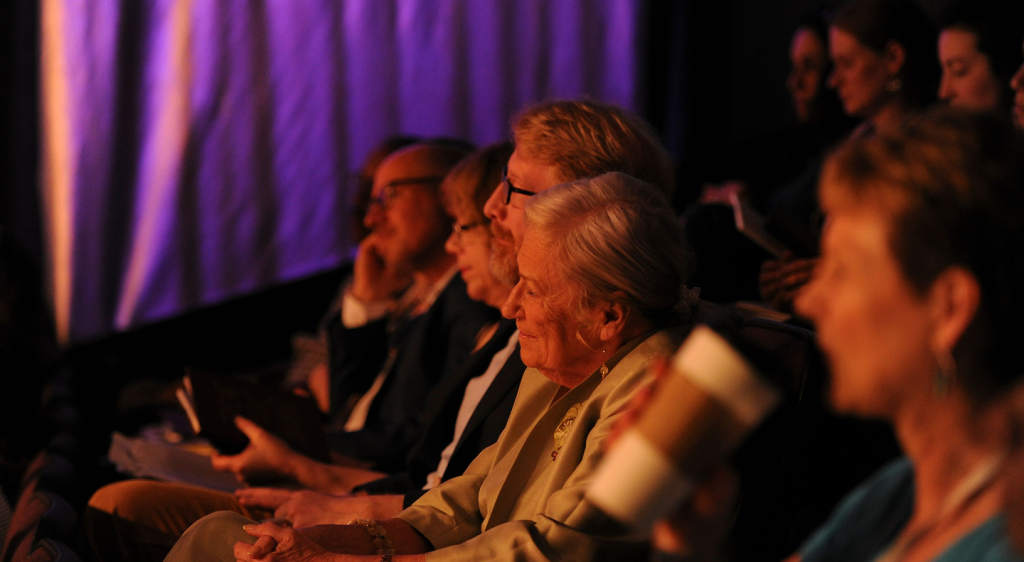
Fresh From the frank Stage
Standout talks from the most recent 2023 gathering, featuring bold voices, urgent truths and unforgettable moments.

Amahra Spence
Liberation Rehearsal Notes from a Time Traveler

Shanelle Matthews
Narrative Power Today for an Abolitionist Future
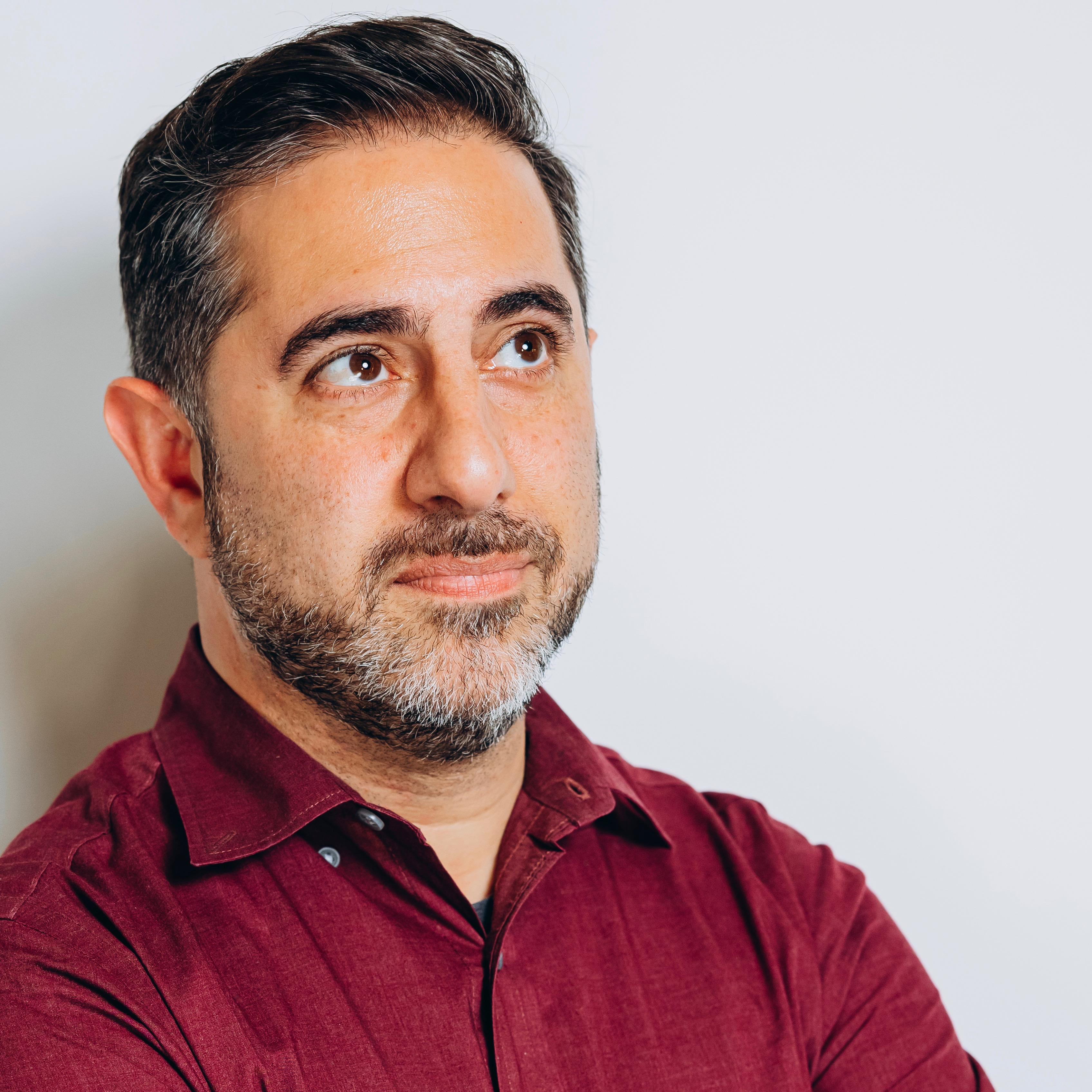
Nima Shirazi
Irresistible Forces, Immovable Objects
The Speaker
Watch Next
-
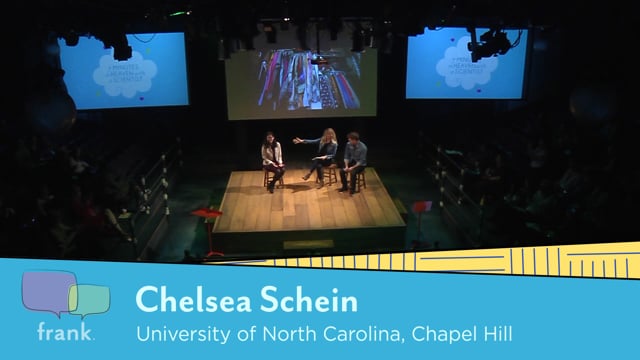 Seven Minutes In Heaven… With A Scientist
 -
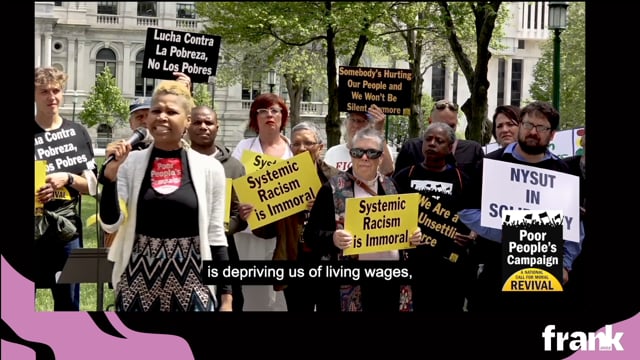 Moral Uprising with the Poor People’s Campaign
 -
 The Unintended Consequences of Emotional Appeal
The Speaker
Untitled
frank*2021 Extravaganza
ArtBehavioral ScienceCommunicationsCreativityEducationPublic InterestPublic ServiceThe Event
Transcript
Number 1 Music Music Music Music Music Music Music Music Music Music Music Music Music Music Music Music Music Music Music Music Music Music Music Music Music Music Music Music Music Music Music Music Music Music Music Music Music Music Music Music Music Music Music Music Music Music Music Music Music Music Music Music Music Music Music Music Music Music Music Music Music Music Music Music Music Music Music Music Music Music Music Music Music Music Music Music Music Music Music Music Music Music Music Music Music Music Music Music Music Music Music Music Music Music Music Music Music Music Music Music Music Music Music Music Music Music Music Music Music Music Music Music Music Music Music Music Music Music Music Music Music Music Music Music Music Music Music Music Music Music Music Music Music Music Music Music Music Music Music Music Music Music Music Music Music Music Hello and welcome aboard. As we prepare for departure, we ask that you pay close attention to the following important information about this Zoom session. Music This session is equipped with numerous features for your comfort and convenience. All participants have been automatically muted upon entry. At the bottom of your screen, you have the ability to mute and unmute your audio and turn on and off your video. We are also monitoring and encourage the use of the social back channel in this session’s chat area. A member of our team will be happy to provide more information or curate questions that arise during the session in this back channel. This session is being recorded. Please take a moment to stow any unsightly backgrounds or items in the overhead area or below the seat in front of you. Should you be joining us, not camera ready, or do not want to appear in the recording, feel free to contact us. If you would like to appear in the recording, feel free to keep your video off in the main sessions and share any feedback in the chat instead of unmuting your audio. We do encourage you to turn on video and audio in the breakout rooms to foster an inclusive session. Emergency exits are in the room around you. Please take a moment to locate the exits nearest to you, keeping in mind that it may be behind you. This session will employ breakout rooms for smaller discussions. To enter the breakout rooms, use the dialog box that opens or select the breakout room at the box at the bottom of your screen. To join a room, hover over that room’s name and select Join. Should you not have those options, please remain calm and an attendant will help assign you to the room of your choice. When leaving a breakout room, please make sure you are selecting the Leave Room option instead of the Leave Meeting option to return to the main session. For the best experience during this session, we encourage the use of Speaker View and Side by Side View when in presentation mode. You may change the size of the speaker by clicking on the region between the speaker video and screen share and dragging to your preferred size. In case of loss of cabin pressure, oxygen masks will not fall from any compartment above you unless you have a really robust work from home setup. Even if this doesn’t happen, we encourage the immediate extinguishing of all cigarettes. Please remain in your seat and breathe normally. In the unlikely event of a water landing, we discourage the use of small children or pets as flotation devices. Should one of our speakers or session leaders lose internet, we’ll work to reconnect as quickly as possible. Please remain calm and our session will run on instruments. This is going to be a real sweat. If you have any questions about cabin safety or the comfort and convenience features of our Zoom session, please ask one of the flight attendants as they prepare the cabin for takeoff. We appreciate your attention, wish you a pleasant Frank and thank you for flying Pan Am. Oh my goodness. Hi Frank. That was exciting. That video was so white. I think it was actually footage of a plane. Oh my goodness. Hi Frank. Oh my goodness. Hi Frank. That was exciting. That video was so white. I think it was actually footage going to the insurrection in DC on January 6. What was going on in there? I’m not playing. Oh my gosh. Hi Frank. How is everyone? I have to tell you right now. I got so overwhelmed looking at the chat that I had to close it seeing all your faces and seeing people greeting. I was like, oh my God, I’m in a panic. I’m so thrilled to be here. I am Liz Winston. I’m a comedian and activist and I have this is my eighth time hosting Frank because it’s the eighth Frank and I’m just so thrilled to see all of you, even if it’s virtually and I just want to say that it’s just unfortunate that we are not together this year because I am of course at the hip on stage and this year, the performance Beyonce just decided to come and relaunch her formation tour right at the hip. So I’m on stage and she says hi so I’m super sorry y’all can’t be here. It’s a real bummer. We have a lot to talk about. This certainly is not the way we thought we would do Frank, but also, there was no way that we could not do Frank because so much of who we are and what we do in our work is persevering and trying to create ways to navigate and change a world that sometimes seems mad. And with so many amazing researchers and research papers that we got this year, we had to do Frank because we had to present what people were doing this year so that we can all feel whole and feel like Oh my goodness. What’s going on. That was the video again. Am I getting cut off. What kind of bullshit is this. It’s just like, okay I feel good I like that that happened, because I feel like we’re at Frank now and I’m just gonna start swearing. It took me three and a half minutes but I got a shit and I feel really good about it. So, before we go, I just want to say one thing if you if you just got on. If you can go into your name and add your pronouns it’s like super helpful for folks who who want to just be able to talk to you and use the correct pronouns that you use it’s always really great. I also just wanted to before I just dive in sort of hold space for the world that we are in right now I want to hold space for folks whose experience the violence every day that white supremacy brings into your life. I want to hold space for those who got COVID lost loved ones during this pandemic, either to COVID or just during the pandemic. I want to hold space for those who have experienced insecurities during this time whether that’s housing insecurity or food insecurity financial insecurity job insecurity. And especially I want to hold space for those who are doing this work actively while experiencing any and all of those things so we see you and we honor you and that’s why, again just being gathered at Frank is just for all of us. I think it’s super important. I mean the world has flipped and been wild since 2020. I, I feel like in my work, I run an abortion rights organization called abortion access front. And the bulk of our work is traveling around the country, working with activists on the ground, doing shows, and within those shows, having conversations with the activists in the local clinic so that our audiences can get to know them and, and really help them with their work. That all shut down so what we ended up pivoting in to doing was, we started a really robust mutual aid program, where all of our audiences that we worked with we partnered them with abortion funds mutual aid funds and community clinics. And folks could really be working in community with folks so if they had a wish list, whether it was sanitary pads for patients whether it was our staff is over works and we need PPE or we need cupcakes or we need lunch or we need love. And we really, we partnered up with people and that has been really profoundly amazing because we are all working in specific issues and for my issue the second that the pandemic hit anti abortion governors immediately declared that abortion wasn’t an essential service and tried to shut down clinics. So we were having to scramble to get literally people had their appointments canceled while they were in the waiting room, and we had to get them to another state to get their procedure so it was trying time for us it’s been a trying time for all of you. And all of us were trying to do this work. While navigating to global pandemics at the same time. We had coven 19 which started right after Frank, and we have systemic racism, which I call coven 1619 which started 400 years before Frank. And so when I hear the phrase stop the spread. I’m like, coven yeah, but let’s stop the spread on white supremacy police violence gun violence anti Asian violence anti immigrant violence misogyny homophobia transphobia Islamophobia, all of it. We need literally, I want, and maybe we are, but I want a task force that figures out either a vaccine, or how far we have to stand from these systems of oppression so we can get herd immunity, I feel like that is our goal. And that’s what we all need to work for as we get going and so I just want to I just want to say I am. I’m so grateful to be part of the Frank community. You know, especially during this time because public interest communications has never been more crucial. So my finalists we’re going to hear from today are doing the work that directly speaks to so many of the existential crisis we face crisis that too many white folks have not understand even exist until now, which is just a stark reminder that while there is so much great work being done. There is so much work to do, and even extra work for people who look like me, and I’m ready for it and I’m here for it so. So let’s just, let’s just take a moment though to understand that the fact that we’re all gathered today with people who are leading doing this work. So many incredible folks. I am just so honored to be able to wake up my dog wake up every day and learn from them, listen, and take their critical knowledge to my own work, and to my day to day life so I just, I can never say enough. Thank yous for including me in this community. It’s such an honor so shall we get started. I feel like we should enough of me if there could be really. Let’s get to our program. It’s really a great program. As, as in every Frank. This Frank we’re going to specifically highlight our three scholars who are eligible for the $10,000 research prize and public interest communication. And you’re going to have a chance to vote for them. As you see them throughout. We’re going to have a bit of entertainment live from Gainesville and elsewhere sprinkled throughout the day. And we’re also going to have some time to hang with each other and convene with each other and so it’s going to be, it’s going to be an incredible event and I’m so excited about it. I want to thank the band VIP for opening were they great. Oh my God who doesn’t love to hear some jazz just just kicking it off. The IP is a talented group of musicians who’ve been playing together in all sorts of different formations for years and they each have their own award winning band, and they got together today to just share their love of jazz and funk and R&B and to bring it to the audience. And so we’re so we’re happy to have him here I just want to give a shout out on drums the band leader, Richard Patrick on bass guitar Keith lad on guitar Spencer Hofer on trombone, brands, Brian Stevens and on saxophone Carlos So, so, hello, we are psyched and they are going to be here throughout the day y’all so yeah yeah yeah. All right, let’s kick it off because we want to get to the big brains who are going to be here today. And we also are kicking it off with one of my favorite people in the world who is going to bring us a really really special introduction I can’t tell you it’s always a good day when I get to introduce this wonderful woman. She’s the University of Florida’s director of the Center of Public Interest Communication, and it was under her leadership that the first Frank Carell and doubt as the first Frank Carell and doubt chair that this incredible Frank experience came to be. And there is just no single human better to kick off Frank and to introduce a beautiful new face to our Frank family. So give it up right now for and see right Christiano here to welcome the University of Florida’s new Frank Carell and doubt chair and public interest communications. Angela Bradbury take it away and thank you so much Liz and welcome everybody it’s so great to see all of your names popping onto the zoom session. Hello from Hartwood Soundstage in Gainesville, Florida. It feels so strange to be here in a room that’s nearly empty and not to be able to see all of your faces, but we’ll be together again soon and I think a lot about the Frank that we had nearly 400 days ago and how grateful I am that we were able to sneak in that last gathering before the world changed so much and we were all separated from the people that we love. We are all different after last year and the stories that we tell about that year are going to predict what our future looks like as well. We thought a lot about what Frank 2021 should look like that could stand up to that moment and to this moment that we are living through. And at one point we actually considered the most amazing three day zoom session ever. We didn’t do that. You’re welcome. So instead today we’re here together for the most essential elements of Frank and we wanted you to three things. The first is award the Frank research prize. I got to spend today with our three award finalists and oh my gosh, do you ever have your work cut out for you and choosing the winner. They are three extraordinary researchers whose work is such an important contribution. Annie Neiman is going to tell us all about that in a minute. The second is that we just wanted to have a moment to look at each other and to say hello. I miss you. I love you. I can’t wait to see you again. And we will see each other again soon and there will be more Frank in fact tonight. We’ll make sure you don’t leave without knowing how to register for Frank 2022. But the most important reason that we wanted to get together tonight was to give you an opportunity to meet the Frank Correll chair in public interest communications. Those of you who know about this position and know the history of it know that Frank and Betsy Correll really wanted this position to go to a practitioner who would hold the job for no more than 10 years. And as my 10 years wound down, instead of feeling sad, I started to get really excited about who would take on this job next, what kind of person it would be, what their vision would be, and how I could work and support them and collaborate with them in building the world we wish existed. I’m so excited to introduce you today to Angela Bradbury. Angela comes to UF from Public Citizen in Washington DC where she ran their communications operations. And she’s also had a long career as a journalist. She’s a graduate of University of Florida and she’s already hit the ground running. Her students love her, her classes are completely full, and people are constantly streaming into the center wanting to talk to her and see her. It’s so exciting to have such an incredible colleague to work together and build things with. And I’m so excited tonight for her to share her vision with you. Angela. Thank you so much, Anne. I do appreciate it. Anne is fabulous and amazing. Big round of applause to Anne. Well, it is graduation season here at the University of Florida. And that means that if you’re walking around the campus in Gainesville, you’re likely to see students in caps and gowns beaming and posing for photographs. Well, yesterday as I biked through campus on my way to the office, I passed a group of graduates who were taking photos by the football stadium by the enormous bronze alligator statue. I had a flashback to the day that I graduated from here from the University of Florida. I was so thrilled that day. I had my bachelor’s degree in journalism and I had lined up my first newspaper reporting job. My first newspaper reporting was my dream job. I couldn’t believe that I went out every day, asked questions, came back, wrote up the answers and got paid for it. I told everyone, this is the best job ever. I wanted to make a difference. That’s why I went into journalism. And it was the experiences here at the University that gave me that burning desire to make a difference. Well, I worked in newspapers for 10 years and I feel I did make a difference. As cracks began to form in the newspaper industry, though, I felt as though there were fewer opportunities to make that difference. So I made the leap to nonprofit communications. I moved to Washington, DC, and I became immersed in the world of activism and public interest. When I got my job doing communications for public citizen, I told people, this is the best job ever. I think I can make a difference here. And I believe I did. I learned a ton about activism and how to use strategic communications to make the world a better place. I loved working there. I loved my job. I was not planning on leaving. But then I spied an opportunity, a posting about a two-fold opportunity here at the University. It was to teach young people how to use strategic communications to affect positive social change. I thought, I can magnify my impact. Maybe I can inspire others. It was also an opportunity to continue building on the amazing work that Anne and her colleagues have done to build the field of public interest communications. And so I came. And you know what? This is the best job ever. I feel as though I’ve already started making a difference. One of my students who I had in the fall, who I believe was taking the class because one of her friends got her into it. She was a double major in political science and Russian. She is now pursuing a master’s degree in mass communications with a specialization in public interest communications. I’ve had other students come up to me and say they are so thrilled to have discovered that they can pursue a career working on social issues that they care about. They had thought that they would have to go and work for a big corporation. Teaching is so rewarding and my colleagues here are incredible. I just hope that I can inspire students the way I was inspired. My charge here is enormous and broad. It is to continue building the curriculum and to help continue building the field of public interest communications. We have a robust master’s program in public interest communications. I aim to continue building the undergraduate program and envision that one day we will have a major in public interest communications. But also building the field means going outside of the university. That means spreading the program to a lot of other places. Wouldn’t it be wonderful if one day colleges and universities throughout the country offered public interest communications, courses and majors, and every year unleashed students, wave after wave of students who went out into the world, equipped with the tools that they needed to affect positive social change. They had the best strategic communication skills to advance change on the issues that we all care so much about. Well, like any successful social movement, it takes a village and to do something like that, it will take a collective effort. It will take all of us. And that’s why we’re all here today. And all of you who tuned in to Zoom, out there in Zoom land, you’re here because you care about finding new and better ways every day to use communications to advance social good. And you also want to spread the gospel and get more people involved in public interest communications and involved in the field. I’m going to be seeking your advice and your help and asking you to engage. I’m so sorry that we can’t be here in person and I can’t meet you in person. I know one day we will. And I can’t wait to work with all of you together. We will make a difference. Back to you, Liz. Thank you, Angela. Don’t take any advice from me. I will just tell you swear a lot and go negative, go low. It’s not great. It’s not great. My advice is not great. I’m so thrilled you’re here and if ever there was a place where people are warm and welcoming and we’ll do anything to help you succeed, it is the job you landed in. And so I am, I’m really excited for you so it’s really, it’s really great. And again, one of those people I’m going to bring up next. I adore this woman. I feel like, I mean, it’s been eight years and I’ve watched Annie, you know, get married, have a whole life, grow this department, be great. Every time I get to introduce her and there’s new people at Frank, I’m just so excited for people to have her energy. I’m really sad there’s not a theme song and I’m really sad that there’s not a captain’s hat involved this year. You’re going to have to ask about that if you don’t know what I’m talking about. But, but I just this person, she’s just so inspiring so I’m just going to bring her up. It’s the research director of the Center for Public Interest Communications, the one and only Annie Neiman. Hi, Annie. Hi, Liz. How are you? I’m good. I miss you. Your apartment looks very tray tray. Oh, thank you. It’s weird to be at Frank on my couch. I mean, we’re all in our heels and ready for drinks, probably about right now, but I’m just sitting on my couch next to my dog. It’s super weird. I’m sitting. I’m sitting on my bedroom with a filthy thing that I’m not showing maybe I’ll reveal it because I just trust everyone at the end, but I got a dog here that I’m trying to desperately make sure it doesn’t bark, but you know, we’ll do it. Okay, so my friend. You know, you’re the research director for the Center of Public Interest Communications and, you know, those of us who bend a Frank over and over know just how much the team values the application of insights from the Academy in real world social change campaigns right I mean that’s like the thing. So before we bring out our three finalists and get to know them. I want you to talk a little bit about some of the ways the scholars are being engaged this year specifically what you have been doing for the past 48 hours with your team because I know you’ve been working with a number of scholars in a process called a living literature review so talk a little bit about what that’s about because it sounds cool and like what you were talking about and what you guys were discussing. Oh man, the last few days have just been super magical. Also because I’m coming to you all from California, and our meetings have started at 9am East Coast time. I’ve, I don’t know if I was hallucinating through them or if I was conscious because I started at 6am but they have just been so incredible. So, I’m just living literature review, yes, I’m so excited to share with you this thing that we have the Center for Public Interest Communications started about five years ago as a, why don’t we do this thing and see what happens, and is now this magical tool we have to really get an interdisciplinary understanding of how to address the big problems facing our worlds, particularly communications challenges. So because we recognize that at this point in the pandemic, nobody wants to sit on zoom for three days we decided to focus all of our Frank energy into diving into the science of public interest communications. Earlier today, and yesterday we held two living literature reviews, and you’re like, any, what is a living literature review. It’s a method we developed at the center over the last, I guess five years now that helps us quickly build our understanding of issues facing people just like you all in the audience people who are talking about how do we make change happen. How do we drive behavior change belief change narrative change, and amassing a deep understanding of the science so we could do that as effective as possible. What does a living literature review look like. Well first we identify a challenge. This year we had to. How do we build the discipline of public interest communications, particularly the academic research, because it’s brand new, it hasn’t been established yet yet. So we had a real opportunity to build it to be diverse, inclusive, and free from all of the racism and bias that’s built into academia. And our second living literature review was on how we build counter narratives and build narrative power for justice. And it was amazing. I wish I you could have all been there it was so magical and we’re going to translate it for you all and and give it to you but it was quite the day. So before we identify a challenge we I we then find brilliant scholars working across academic disciplines from neuroscience to journalism to sociology to political science, any discipline where they have a perspective that could help us think through the challenge and identify solutions. And they consider the question or the challenge from their own work, but also all of the literature that they’ve read, these are PhDs, they spend their whole lives reading everything they could get their hands on and so we really get to play around in their own work and access all of the literature that they know. So this year, at our two living literature reviews we had about 30 scholars participate across the two sessions, including our three finalists who you’ll hear from today. We then also invite practitioners people who are putting these ideas to work to facilitate these conversations for our first living literature review on building the discipline of public interest communications and an Angela led us through that. And for our meeting today, where we talked about counter narratives and narrative power we had Rinku son of narrative initiative facilitate eugenia blowback from berness and Aaron Zyler from Civil Rights Court facilitate our second living, living, living literature review. What’s coming next, we are going to analyze all of the transcripts we’re going to pour over every word that everyone shared. We’re going to look at the science and theories and frameworks that they offer to us and then from all of that work, we will identify a set of principles themes ideas from the research and we will translate it in partnership with our facilitators and our scholars in a way that’s actionable and meaningful to the work that you all are doing every single day. And we will share that through written pieces, probably webinars, they’ll probably be shared at Frank 2022. But the goal is to get these ideas from science into all of your hands. And that is the living literature review. I love it. That is amazing. I can’t wait to hear more. I think everyone is really excited because I think that, especially during this year, it has felt like we’re, we’re constantly we’re in the bike race while we’re building the bike in and because everyone was reinventing the way that we do our work. And nobody had any sort of practicals to bring to the party because we were all experiencing this shift in a new way so I am so excited that you got to take a breath and take the time to really look at this and give the tools. Thank you, dear. So my pleasure, my pure joy. So great. Okay, so we’re actually almost to the point where we’re going to meet some of these big brains and I’m so excited. So, before we get to meeting our research prize finalists to echo Annie, we’re going to hear from our researchers we’re going to hear presentations, and then, Annie, and this next person I’m about to bring up are going to have a little conversation with each of you so you can get to know more about their work, find out a little bit how about their process. And then it’s up to all of us who and we will vote on who will win the $10,000 grand prize and then the and then the two other finalists will leave with a $1,500 reward. Annie isn’t going to do this alone. And so I am going to introduce you to basically the yin to Annie Neiman’s Frank research prize Yang. The one and only Dr. Lisa Fasio Dr. Fas is the assistant professor of psychology and human development at Vanderbilt and the 2017 winner of the Frank research prize and Lisa’s work is like, it’s just of the right now, because she studies how repetition plays a critical role and remembering false information. I mean, like just this month we learned that Joe Biden is banning all Dr. Seuss meat related Mr. Potato Head beer products. And that’s a problem. So if I say that one more time, then that’s going to become a thing. I mean, seriously, like hearing incorrect information more than once it’s likely to be remembered and I’m so glad that that Lisa is just doing the work on helping people reset retaining garbage. So please welcome the one and only Dr. Lisa Fasio. Hi Lisa. Hey Liz. Thanks y’all. I’m so excited to be here and to interview our prize finalists and to learn more about their process and their research and how it can be applied to all of the work that Franksters do. Well, let me tell you a little bit about the prize group this year. We had the most papers we’ve ever had at 79. It was quite the feat to cut that down to even 20 to spread among our 46 scholars and practitioners who had to review those papers. And then from those papers identified our top three. So these papers, you know, we were working with such an amazing group of papers but these papers are stars. They’re really going to, they’re really important for our field. And I’m just so excited for everybody to meet the scholars behind them. So what’s going to happen we’re going to hear from our three finalists. Everyone here gets to decide who wins. The amazing Dr. Lisa Fasio will interview them and then as Liz said we’ll put a pull up at the very end and you will vote for the paper that you think should win the $10,000 prize for research in public interest communications. And that’s how she works. Is that what we’re going to do. So am I coming back on to start this show. Yes, let’s do it. Let’s do it. Okay, I am thrilled and delighted to introduce to you. So the first of our three prize candidates. Dr. Alyssa Richardson is an assistant professor of journalism at USC Annenberg studying how marginalized communities use mobile and social media to produce innovative forms of journalism, especially in times of crisis. Her book, Bearing Witness While Black, follows 15 mobile journalists and activists who from 2014 to 2018 documented the Black Lives Matter movement using only their smartphones and posting on Twitter. Her work has been heralded by many organizations, the National Association of Black Journalists recognized her as the 2012 journalism educator of the year. She’s held not one, but a two fellowships at Harvard and Neiman Foundation visiting journalism fellowship and the Berkman Center for Internet and Society. So joining us today to talk about her paper entitled dismantling respectability, the rise of new woman is communication models in the era of Black Lives Matter. Please join me in welcoming Dr. Alyssa Richardson. Good evening, Frank family. Before I get started, I have a question for you. Do the names Gwendolyn Simmons, Lonnie King, or Doris Adelaide Derby Ringabelle. If you answered no, then you’re a lot like me. Seven years ago back in 2014 before I began this research project. Now let me ask you another question. Do you know Alicia Garza, Opal to Mehdi, Patrice colors. Of course you do. And that’s the heart of what I want to discuss with you today. There’s a reason why you can rattle off the names of these powerful black women organizers. They have mastered the modern act of dismantling an ideology that once kept women like them on the fringes of social justice movements. And for the next few minutes, I want to share some of the communication strategies that black feminist or womanist activists use today. They’re brilliant decision to do away with respectability politics has ushered in a new era of embodied protest, which pushes them from margin to center. So before I tell you about the demise of respectability politics. Let me tell you what it was and what it originally tried to achieve. Respectability is a prim and proper performance of manners and morals which believes that black women’s cleanliness, and their godliness and sexual purity, could engender support for racial equality. Now black women adopted a politics of respectability in the early 1800s, as the abolitionist movement picked up steam. And the idea was that free black women needed to help humanize enslaved black women, after more than 300 years of being bought, sold, raped, forced to breed, and even exhibited as entertainment like Sarah Bartman. Now after slavery was abolished and reconstruction began, this ideology of modesty exploded. So we see a near 80 year stretch of club women and church ladies wearing their Sundays best to go protest. We see high necklines and pearls and coft hairdos like mine, rather than natural hair, and we hear crowds singing church hymns as they march. What we don’t see are queer black women, single moms, black women who are not Christian, that wasn’t considered so respectable. And so it’s around the time of the black power movement that some women began to use their bodies to protest in ways that departed from their ancestors ideas. And this is where my study picks up. I wanted to find out whether Dr. Brittany Cooper’s concept of embodied protest could be applied to evaluate the shifts that modern black women activists are making. And body protest is when black women activists assertively demand the frontline inclusion of all black female bodies, especially working class bodies, fat bodies, differently able bodies and queer bodies, and to signal this ethos visually today’s I want to do a few key things. I interviewed the dynamic group, Aisha Evans, Brittany Pharrell, Brittany Pachnick Cunningham, Alicia Garza, and Marissa Johnson between 2014 and 2017 bless them off and on, calling texting all kinds of things. They told me that they use their bodies to protest in three key ways. They make black love visible in all its forms. To they make savvy sartorial decisions. And three, they don’t wait for legacy media to document them they stage their own news events and film them. So to the first point, these women put black love on display. In this clip we see Brittany Pharrell embodying tenderness as she puts an arm around a young child, but she’s still in control with her bull horn in one hand. And in the upper right hand corner we see Brittany Pachnick embodying black joy is resistance that chair her husband is sitting in is a replica of Huey P Newton’s iconic seat. Yes that Huey Newton of the Black Panther Party. And the other one is the female pick. In the bottom right hand corner we see Alexis Templeton proposing to Brittany Pharrell. The couple publicized their union to show young black queer girls that their leader didn’t always have to be a charismatic black man, nor did she have to hide. They also practice embodied protest through smart sartorial choices. Gone are the Sundays best. It’s like a come as you are kind of thing. And these women are making and wearing statement tease and hoodies. They launched fashion lines. They publicize the names of their organization to prevent erasure. And they wear their hair and natural styles on the front lines. The idea is to signal to their communities that they are from them, and not above them. And they also use women practice and body protest by staging their own media spectacles, and then documenting that labor. Brittany Pharrell can be seen here recording her wife Alexis’s speech, which is remarkable. Women couldn’t speak at the March on Washington and 63 weren’t allowed. And Johnson is seen here in the upper right using Fannie Lou Hamer’s tactics of appealing to Democrats, while wearing a shirt that also pays homage to her. And then I Asia Evans told me she felt it was important for the world to see the juxtaposition of her in a dress and the police in war gear, as she called it. So this is how the new politics of embodied protest looks now. There are no white gloves, there are no pearls, but you will find plenty of heart. You’ll find queer black women working alongside cisgender black women, thin black women and thick ones, shy black women and bullhorn toting ones. And together these women created the largest social justice movement in American history. It cannot be overstated. And I can’t wait to tell you more of what they’re up to now but it’ll have to wait into the Q&A section, because I’m out of time. Thanks for listening. Thank you so much, Dr. Richardson. Thank you so much for sharing this incredible work with us. What was the spark that inspired you to start asking these questions? The spark was actually something that Alicia mentioned when we were interviewing her, she said that people were telling the story of Black Lives Matter without the women who founded it. And as a journalist and as a PhD student at the time, this is happening the first year of my PhD program, I had to admit that I was looking for that blue vest, if you know what I mean. I was looking for the young man who was telling us all about Black Lives Matter and thinking that DeRay and his team were in charge, so to speak. And she said everyone was kind of looking for that Martin and Malcolm and Brittany Farel said the same thing. And so I took a class as a PhD student with the iconic Elsa Barkley Brown who had a class Black Women in Civil Rights, and then Patricia Hill Collins had a class called Black Social Movement happening that same semester. So those two together really opened my eyes to just how respectability had pushed these black women to the margins for so long. So one of the key themes in your paper is this concept of embodied discourse. Can you kind of define that concept for the audience and tell us what that looks like in action? Sure, it’s using one’s body to send a message and using that, and using that message as a formal protest. So whether you’re wanting to normalize Black love or humanize someone for whom violence has been mapped onto their image by virtue of mass media and these things. It becomes really essential to use one’s body in a very careful strategic way. And so these t-shirts aren’t accidents. The fact that everyone was wearing braids during these things aren’t accidents. And so I had that hunch and I would see them somewhere on a news broadcast and then I would because we built that relationship, email them and ask them what was the meaning behind that, what were you going for there. And that was always a greater story. So the embodied protest is one which makes sure that you’re using all of your physical, corporal visual things that people can see to make a statement without saying a word. I love that because I feel like with a lot of these movements, people seem to think that things just happen. But you’re showing no, these black women had a plan they’re making conscious choices this is strategic. That’s wonderful. Um, so one of the themes that keeps popping up with all of these papers is that kind of narrative power starts in these counter spaces where activists and communities have power over what that narrative is. So can you talk about what that looked like in your paper. Absolutely. Brittany Packnett really helped me see that a ton when she is a self described day one on the front lines of Ferguson. And she said she would see stories about, for example, looting of the McDonald’s and she would go up to CNN reporters and say, we went into the McDonald’s to see what she said, which is an antidote antidote for tear gas. And so she said you need to correct that on air. And she’s saying these things as people are on air so she’s unavoidable. She’s in the frame, and that now has earned her a spot on the MSNBC as a commentator because she just did so much correction encounter narrative during that time that quite frankly it made journalists feel embarrassed. Whoa, how do we miss that. And so counter narrative is a way of doing the work of those ancestors to make sure you’re reframing black womanhood, but not being trapped in checking those boxes that respectability used to make you have to check to participate. So for all of those in the audience thinking about how to bring your work into their own spaces and the work that they do. What are your suggestions. Two big ones, I would say especially in the wake of this verdict that we’ve seen, we’ve got to believe black women the first time I mean we had a 17 year old black girl in this instance, who changed the world with a smartphone video right we wouldn’t know what happened to George Floyd without her shining a light on that. And so there were people before her like diamond Reynolds who was trying to show us what happened with Philando Castile when she live streamed his death on camera. And I can think of so many other instances Stacy Abrams where she tried to tell us years ago, something fishy is going on here with voting in Georgia. And we just kind of sat on it and so we’ve got to trust when black women are kicking up dust and telling us that there is something to investigate here that we trust that testimony. The second thing is that we fund black women though, a lot of black women have their own nonprofits their own organizations, and all of the women that I talked to for this study were really frustrated that people want to pick their brain for things for strategy, without payment, and that payment usually goes to their own legal defense fund security donations to families that they have built relationships with. So it’s never just a selfish or kind of greedy game. So I think that believing black women is essential going forward, and paying them what they’re worth for their extraordinary expertise is essential. So what’s next for you what’s coming up in the research pipeline what should the Franksters be keeping an eye out for. I’m really excited that I’m writing a new book, I’m just signed a contract for canceled it’s called canceled how smartphones and social media democratize public shaming, and it talks about the good in terms of what we’ve seen. In terms of like the Amy Cooper videos where smartphones help save someone’s life, possibly, but also the bad and in terms of people then using that term cancel culture because they want to escape accountability. So if these things don’t go together they’re two different phenomenon I want to parse that out in this next book. Oh I can’t wait to read it. So you do such amazing work. Thank you so much for sharing it with us. Everyone in the audience. Let’s give Dr Richardson some zoom love. Thank you. Thank you. Thank you. Thank you. Thank you. Thank you. Thank you. Thank you. Thank you. Thank you. Thank you just for deep.” This is bad to hear this. Oh, well it may not have been Uma or teams that we knew before and you know who was the boss behind it was Mike or you know who was thenova and who was Bridget or something like that whatever. Alyssa, that was incredible. I cannot wait to deep dive into all your things, especially cancel culture, because as somebody who works as a comedian who tries to bring messages out into the world through comedy, every comedian that complains about cancel culture is doing it on SNL and doing it on their Netflix special and literally being like, but I’m entitled to have zero accountability for the words I say, because the words I say are magical because I am part of this power structure. So Alyssa, go, go, go. I’m so excited. Thank you. And I’m so excited to introduce our second prize finalist, Omar Wasso. Omar is an assistant professor of American politics at Princeton, whereas research focuses on issues of race and politics. His research on the political consequences of protest, nonviolent and violent, has been featured in numerous top US publications. Before joining academia, he was the co-founder of blackplanet.com and under his leadership, Black Planet became the leading site for African-Americans for all things politics, conversation, dating, reaching over three million active users a month. He was the co-founder of Brooklyn Excelsior Charter School in Bedstein, New York and in 2003, he is just this good, he even tutored Oprah in her first exploration of the net in a 12 part series called Oprah Goes Online. So joining us today to talk about his paper, Agenda Seeding, How 1960s Black Protest Moved Elites, Public Opinion and Voting. Please welcome Dr. Omar Wasso. Thank you. A central question in political science is how do the few control the many? I wanted to ask a different question about how those at the margins of society, subordinate groups like Act Up or Black Lives Matter, persuade often hostile majorities against nearly overwhelming odds. To explore this question, I studied the 1960s civil rights movement with particular attention to the ideas advanced by activists. A key debate at the time was about tactics. Could nonviolence really topple segregation? Was armed self-defense essential to black liberation? And how would these tactics be understood in the larger world? Activists like Bayard Rustin argued for nonviolence as a way to build broad coalitions. He argued neither the civil rights movement nor the country’s 20 million black people can win political power alone. We need allies. Rustin was a key architect of the March on Washington that brought a quarter million people to DC. The New York Times described the day as the greatest call for a redress of grievances that the Capitol had ever seen. Though powerful, many in the black freedom struggle were concerned about the limits of nonviolence. What about self-defense, they asked? Angela Davis grew up in Birmingham, Alabama, where the Klan engaged in a campaign of racist terror detonating more than 50 bombs, one of which killed four little girls at the 16th Street Baptist Church. Davis has said, some of my earliest memories are the sounds of dynamite exploding. But for men like her father, who sometimes took up arms in self-defense of their neighborhood, white vigilantes would have only further terrorized her community. What about black dignity, they said? Stokely Carmichael, later Kwame Toure, had been a protege of both Bayard Rustin and Martin Luther King. All three understood nonviolent civil disobedience, risk, injury, trauma, even death. After his 27th arrest though, Carmichael said, I ain’t going to jail no more. We’ve been saying freedom for six years and we ain’t got nothing. What we’re gonna start saying from now on is black power. For Carmichael and others, the cost of nonviolence were ultimately too high and progress too slow. And what of white indifference? One other challenge was that peaceful protests could appear to the rest of the country like system of segregation was still fair. You had a First Amendment, you could peaceably assemble. The system was working maybe as it should. Vanille Lou Hamer helped organize a march in Hattiesburg, Mississippi. When a leading New York Times reporter saw this unprecedented picket line, he remarked, it’s a dull story. In such situations, blood and guts are news. With all these limitations, many asked, can nonviolence really work? I studied thousands of protests between 1960 and 1972 and I found nonviolent protests predicted about a one to two percentage point increase in the Democratic vote share of nearby counties, enough to tip some of the presidential elections in that period toward the pro-civil rights coalition. I collected 175,000 front page newspaper headlines and found despite widespread media bias against African Americans, a nonviolent protest yesterday predicted a headline about civil rights or voting rights today. I looked at public opinion over decades and found as nonviolent civil disobedience activity increased, respondents and surveys were much more likely to state that civil rights was the most important problem in America. So across a wide range of statistical tests, there was evidence nonviolence could be effective, but how was it working? The Pulitzer Prize winning book, The Race Beat, reports movement leaders were studying the press, how it reacted, what made news and what did not. One thing was unambiguous, the greater the violence, the bigger the news, especially if it could be photographed or filmed. It turned out protests were not most effective when they were simply a redress of grievances. They were most effective when they were engaging in a kind of highly strategic political theater. In the words of the late representative John Lewis, protests were staged and they had to dramatize injustice. There were many ways injustice could be dramatized. One aspect of that staging meant thinking about what we might call casting. According to the book, The Race Beat, civil rights leaders found news organizations were especially drawn to stories of a dramatic clash between an appealing protagonist and a tyrannizing antagonist. Young people and organizers knew a children’s crusade in which hundreds were arrested and jailed, sometimes for days, would be more likely to produce sympathetic national news coverage, like this political cartoon from the Christian Science Monitor. Dramatizing injustice through political theater also meant selecting cities where police chiefs were known to have a hair trigger for violence. The resulting spectacles of violence would heighten the contradictions of Jim Crow in the land of the free. So for example, Birmingham was intentionally chosen because Bull Connor, the police chief, was almost certain to engage in brutal repression. Protesters intentionally made themselves targets of state violence for the larger cause. Those demonstrations, along with images like this photograph by Charles Moore, helped transform public opinion. Leaders considered endless details to maximize media coverage. In addition to having a vicious police chief, for example, Selma, Alabama, was picked as a site for voting rights protests for its proximity to the new television network affiliates in Montgomery, Alabama. Andrew Young, another key advisor to King, had previously been the host of a Christian youth TV show. And as a result, he happened to be one of the few people in the country who deeply understood the interest and logic of the new medium of television. Young said, the movement did not cause problems in Selma, it just brought them to the surface where they could be dealt with. Sheriff Clark had been beating black heads in the back of the jail for years. And we’re only saying to him that if he still wants to beat heads, he’ll have to do it on Main Street at noon in front of CBS, NBC and ABC television cameras. In short, movement leaders understood that dramatizing injustice was a form of asymmetric power that by capturing the attention of national and international media, they might be able to deliver a death blow to Jim Crow. So how do these lessons translate today? Critically, making oneself a target of violence is not the only way to create drama. Celebrities can create drama. Larger demonstrations can create drama. And events like Act Up, where members poured, like an Act Up event where members poured ashes of loved ones who died of AIDS onto the White House lawn, can create drama that draws attention to the larger cause. The key is that when the media are watching, tactics are more than just self-defense or self-expression. Every protest is a means to tell a story to the world and every activist a storyteller. So I wanna end today by asking, whose story are you going to elevate? Thank you very much. Thank you, Dr. Rosso, for sharing this really important work. So in the conversations heading up to today, you mentioned that you’d been working on this paper for over a decade. Can you tell us a little bit about kind of the epic quest to get this paper out there? So part of the roots of this are in my family. Both my parents had been active in the civil rights movement. My father was part of the cohort of young people along with Goodman Cheney and Schwerner who went to Mississippi to register people to vote. And so in some ways, it had been a question since I was a kid of sort of how did we get from the victories of the civil rights era to the rise of mass incarceration. And after having been an entrepreneur and having worked in school reform, I still had this question at the back of my head of like, how do we understand the post civil rights era, the politics of the post civil rights era? And so that took me back to school. And that was kind of a fuel that this was a burning question for me from my teenage years. And that meant that even as the paper got rejected or there were just all sorts of ups and downs along the way, I was learning, I was getting a better understanding of that era and the moment and how it succeeded. And that was enough to kind of keep me going even when there were modes where I thought, this may not get published in the Academy, but I care enough and I’m learning enough that it’s worth continuing. Awesome. So one of your findings is that social movements can push issues to the national stage through these protests. Can you talk a little bit more about that dynamic and how it happens? Yeah, one of the things that, it might be obvious to many people, but it took me a long time to come to realize that if we think of society as organized with a sharp hierarchy, right? There are people with power and there are people trying to, at the margins, trying to get their interests taken care of. There are actors like the media that are often aligned with the state or with the elites or with people who are wealthy, but they have interests that are somewhat apart from that. They are interested in scandal, they’re interested in drama, they’re interested in conflict. And what the civil rights leaders figured out in the 1960s was that that was a potential wedge, that the media’s taste for conflict could be a way to elevate and amplify the concerns of voices that had historically only been paid attention to by the black press. And so there was this very strategic and intentional set of tactics that allowed the issue of Jim Crow repression and segregation and the brutal violence of Jim Crow to become a national and international issue and that by essentially shifting the theater of contestation by going, taking a local issue and making it a national and an international issue, they were able to dismantle and overthrow Jim Crow. So this year, we’ve again seen so much violence and injustice committing against black and brown communities. We’ve seen that the Black Lives Matter protests have been peaceful, the largest in history and despite massive support for the movement, many are still frustrated by the lack of justice in action. Some have turned to other expressions of protest that might not be so peaceful. Can you kind of reflect on this moment and how your work applies to the current situation? So I think of every protest as a kind of contest between self-expression and persuasion. And that there’s always a tension, right? When Eric Garner was killed, I went to a protest in Midtown Manhattan and I was angry and other people were angry and there’s a kind of boiling over energy where you just want to be able to express that anger. And at the same time, expression may not map always to persuasion. And that’s a real tension in movements that can be very hard to manage and to channel and to have be effective. And so what I find is that it’s part of what movement and movement leaders and organizers and other kinds of kind of capacity building can do is help people understand that one way to kind of have expression and persuasion work together is through the kinds of things we saw in the 1960s, but also now where something like a die-in or something like an event that is both sort of can capture the attention of the media, but express people’s rage or their anger or their mourning, that those sorts of tactics allow that tension to not be fully resolved, but potentially be channeled in a way that they can achieve both ends. People get to mourn and it can move the larger agenda forward. It’s a really interesting distinction that kind of helps give some language to attention that’s always there. So what are kind of the insights that you’ve gleaned from this work mean for this community, thinking strategically about narrative power and change? So one thing that I alluded to in the talk is that just for me, there’s this core insight, which is to think like a camera. I mean, if not all protests are organized around catering to the media, and not all movement building is focused on media work, but for the work that’s media targeted, for that kind of political communication, it’s really critical to think like the, try to adopt the interest or just to appreciate what are the interests of the media? So for example, in the film, How to Survive a Plague, there’s a line from one of the people in a media training, which is don’t talk to the media, talk through the media. And the key is to really understand that there are things that media cares about what’s visual, television cares about what’s visual. Things like conflict are helpful. Things that are theatrical, but may not be conflictual helpful. And that there are ways in which activists, particularly with some forethought and training and planning can use to their advantage. And I think one of the hardest, most kind of bitter aspects of that is state violence. Again, can cause injury, trauma and death, but also can do an enormous amount of work to put an issue on the front page and to force and kind of shock the conscience to use the phrase from the 1960s to shock the conscience of the country. So your paper looks historically at how the civil rights movement built power. What can we learn from that research for today on how to build the capacity of activists and movements working in the current era? You know, Zeynep Tufecci, who’s written a book, Twitter and Tear Gas, talks about how in the modern era with internet activism cross-nationally, what we see is that it’s possible for movements to kind of spring up almost instantaneously because the cost of communication is so low. And in an earlier era and something like the Birmingham bus boycott, there were women handing out flyers to get people to participate, right? And there was a kind of central organization and that meant that there was a way to kind of keep a little bit more coordination and coherence in the message. That’s a real challenge for movements today. And I think there could be a lot more investment in capacity building for activists so that even if 99% of the people who are showing up at a kind of pop-up protest have no background, there is that one or 2% who are there who can help to make sure that the protest is most effective. So what are you working on next? What should we keep an eye out for? So I’ve been working on a book that takes this research and carries it forward to the current moment, thinking about what degree protests and these kinds of tactics of political theater, staging and the other things I talked about. To what degree do they continue to be useful ways of understanding political activism? And so that’s the protestors dilemma is the book I’m working on and thinking about the hard trade-offs because it’s not, there are real challenges as I describe in employing some of these tactics as well. Wonderful, well, we’ll all keep an eye out for it. Thank you so much for presenting your work and everyone give up some silent Zoom props to Dr. Hussot. Thank you so much for this opportunity. Thank you. Thank you. Thank you. Thank you. Thank you. Thank you. Thank you. Thank you. Thank you. Thank you. Thank you. Thank you. Dr. Hussot, that was incredible. And I’m looking at the comments and I’m feeling the same as everybody don’t speak to the media, speak through the media. And any changes that And I just glean anytime I can get information around how to use the media because as we all know those of us that work in controversial spaces, I work in the abortion space and the media never wants to talk about it. So something that happened to us through our work that was sort of fascinating was we’ve been on tour for five years and working with local activists, we were able to create an anti-abortion database and we had been trying desperately to get people to understand the cross sections of white supremacy and anti-abortion extremism. And so within this database, when January 6th happened in the Capitol, we have a whole bunch of fake Facebook accounts that are dummy accounts and we followed them and we were able to identify and pull video of 20 anti-abortion extremists who were in the Capitol. And because we could identify them as being at the Capitol, the media didn’t really care that they were anti-abortion extremists. They cared that they were extremists at the Capitol, but we were able to make that intersection for the media and we had 20 visits to the FBI of these garbage people and so that felt really good and so anytime I can hear about any ways to get the media to talk about things that they want to talk about, it’s really great. So thank you for that. It was really great. So many great researchers and I’m about to introduce the third of these great research prize finalists, Dr. Brooke Foucault Wells. Dr. Wells is an associate professor of communication and studies and director of the communication media and marginalization lab at Northeastern University. She studies how online networks enable and constrain behaviors and examines how those networks attack or reaffirm marginalization of groups. She’s won numerous awards for her work has been funded by the National Science Foundation and the U.S. Army Research Lab. Today she’s representing a group of scholars whose work addresses an important question in social change communications. How do individual actions create collective change? By focusing on the online narratives, public disclosures and meaningful policy changes around MeToo, their findings challenge the dominant narratives about slactivism and provide a blueprint for constructing hashtag social movements going forward. To present her paper, we’re claiming stigmatized narratives, the network disclosure landscape of MeToo, coauthored with Ryan Gallagher, Elizabeth Stoll and Andrea Parker. Please welcome me in joining to the Frank stage, Dr. Brooke Foucault Wells. Thank you for that great introduction. It’s a real honor to be here sharing the stage with the fellow presenters. So as you heard in the introduction, we study online activism. We particularly are interested in the networks of activists and regular people that get stitched together around hashtags in order to create meaningful social change. From the Umbrella Revolution in Hong Kong to the Arab Spring, the Black Lives Matter and MeToo movements that started in the U.S. and rocketed around the world, it’s hard to imagine a country or community that hasn’t been touched in some way by social media activism. We’re particularly interested in the network processes that transform these individual hashtags into impactful movements for social change. And today I’m going to focus on one example of those movements, specifically the network processes that catalyzed the MeToo movement. So as we know, social movements are really powered by stories. People are natural storytellers and we build our relationships by telling stories to one another. If I were to meet a new friend, I might tell them something about myself and then they’d probably feel compelled to tell me something about themselves in return. And we go back and forth to sharing our stories and building our relationship. Abstracted, we can think about this as a process where a network grows between two nodes, the people, and forms as they share stories in a process called reciprocal self-disclosure. When we move that kind of disclosure into a network, and particularly an online network, something really interesting happens. So instead of sharing your story with just one other person, you end up sharing your story with all the people that you’re connected to in your online network. And then instead of this reciprocal self-disclosure, we get this kind of generalized network disclosure where each person shares their story with you and also with everyone else that they’re connected to. And then those people share what the people they’re connected to and they share what the people they’re connected to and so on and so on, creating these cascades of disclosures that ultimately allow a message to spread through a whole network. And so we were really interested in whether or not this sort of network storytelling could explain the sudden and dramatic shift in public discussions about sexual assault and harassment that are associated with the MeToo hashtag. We all know that MeToo was started by Tarana Burke to support sexual assault survivors. And then received widespread and mainstream media and popular attention in October of 2017 when millions of people just suddenly started sharing their own stories about sexual assault and harassment in response to this tweet by Alyssa Milano inviting people to use the hashtag MeToo to disclose their experiences. To study how these stories spread, we collected one and a half million tweets containing the hashtag MeToo and these tweets contained a mix of stories about sexual assault as well as other sorts of messages including support for survivors, commentary about the prevalence of sexual violence and occasionally, although not as often as you would expect, push back against calls for social change. We organized these tweets into a network and we paid special attention into the patterns of story sharing inside that network. For each person in the network who shared a story, we built a network of everyone that they follow so we knew exactly who they were following. And then we looked back in time at what those people were saying before someone shared their own MeToo story. So those are the messages that they could potentially have seen before they decided to share their own story. And we naturally found variation in those following networks. So some people saw a lot of MeToo stories. Some people didn’t see very many at all. So if the stories were really influencing people to share their own story, we would expect that folks who saw a lot of stories on the networks would have a higher chance of sharing their own story than people who didn’t see very many stories at all. And that’s exactly what we found. So unpacking this chart, we see that the more stories that people saw, the more likely they were to share their own story. And very importantly, that effect was the strongest as we went from zero stories to about 20 stories. And we imagine that this is the window where people who have a MeToo story to share might feel especially motivated by this disclosure process to reciprocate the stories that were coming through their networks. And here’s the really powerful thing about stories. We can see that in combination, they really changed public discourse. So starting in October 2017 with all these stories, MeToo went from a relatively rare term on Twitter to one of the most popular terms on Twitter. And it stayed very popular since then. So this collective shift increased our awareness of the pervasiveness of sexual assault and harassment. It also got picked up on the mainstream media who covered the trending hashtag as a story on its own and ultimately led to some pretty incredible social, cultural, and policy changes often aimed at stopping something called MeToo disclosures. So we know that sharing stories matters. We already knew that. But what we learned today is that when we put those stories into networks, we can create these cascades that feel social movements. And these networks become the infrastructure that sustains that social change, advocacy, and organizing over time. That’s it. Thank you and shout out to my co-authors who are in the audience today. Wonderful. Thanks so much for sharing that really illuminating paper with us. So what inspired you guys to start this project and to write this paper? Yeah. So my team and I have been studying online activism for about 10 years. We were particularly focused on race and gender justice activism. So we were kind of in this space when the MeToo hashtag started to trend. But typically when we study this kind of activism, the hashtags center on particular events. So think about hashtag Ferguson, which emerged after the murder of Mike Brown in subsequent protests in Ferguson, Missouri. MeToo of course has some similar feels to that, but it was really quite different in terms of what was happening. So people weren’t suddenly having the same experience. They were holding these experiences and suddenly sharing them. And they were specifically sharing things that people usually keep secret. So we know that women don’t tend to disclose sexual assault and harassment. So suddenly folks were reclaiming their space and demanding this kind of attention and it worked. So that’s really exciting. So that was really our motivation. We wanted to kind of dig into the origin story there, figure out what happened and figure out whether or how it could be replicated in order to create similar kinds of cascades around other issues. So you saw that these stories got shared through these social media networks. How does that end up translating to kind of big social change in the broader world? Yeah, I love this question because it gets at this kind of hidden tension in all of our research. So we really focused on Twitter for a number of reasons. But we know that Twitter only has about 20% of US Americans use Twitter, right? So it doesn’t have the biggest audience in the United States or anywhere else in the world for that matter. And yet we kind of intuitively understand that stuff that happens on Twitter has this impact on social change. And there are a few reasons why I think that’s true. So first, the news media are on Twitter. They, you know, even though it’s only moderately popular with general American population, journalists see Twitter as a valuable place to kind of track social trends, to find sources, and to promote their own work. So they hang out there more so than on other platforms. So that makes Twitter uniquely positioned to kind of harness the attention of the mainstream media. And we know that if something trends on Twitter, it often gets covered on the news, and particularly on television news and cable television news, where the vast, vast majority of Americans still get their information. So we get this kind of proxy effect. So another reason we think this works is that politicians are on Twitter. So for similar kinds of reasons, politicians need to engage with constituents. And it’s kind of a low cost, low friction way to do that. And last, and sort of a combination related to those ideas, there’s this norm to follow and interact with people you don’t know on Twitter. So that’s not true on all social media platforms. But as a result, we get to engage in these relatively more diverse networks on Twitter. And we can be exposed to ideas that might not come to us through other kinds of media. So in terms of the ability to change people’s opinion, I think we’re more likely to find new audiences on Twitter than on some other platforms, or the tendency is to just to hang out with our friends. It’s really interesting and leads nicely into the next question, which is, what are some things that we, the audience should watch out for as we try and build social media strategies for the types of campaigns we’re working on? Yeah, it’s a good question. So first and most obvious, I think, is to have a presence in these places and to have an interesting presence. So for a network to grow in these places, you need to be putting out material and engaging with people that might be interested in your material. But I think one of the less obvious things here is that you can be realistic and sort of small in scale on these things. So I think there’s this idea that you have to harness the attention of influencers. And actually, here we see the power of a celebrity. So I don’t want to discount celebrity power. But in a lot of the networks we study, there are no mainstream celebrities. There are no million follower accounts that are engaging. The people who really help these things get attention are local politicians, kind of local and regional celebrities. So in that Ferguson case, we saw Tepo playing a really important role. He’s a kind of a regional and Western hip hop artist. And so focusing on these little corners of your networks where you might make connections with locally influential people who understand your issues and connect with other people who might be affected turns out to be a much more strategic use of your time rather than trying to harness the attention of Beyonce or Oprah. In your research, how do you find that these counternated spaces emerge? And how do they replace the more dominant narratives? The short answer to your question is that it’s almost always networks of regular people sharing their experiences. So we almost never have big mainstream celebrities catalyzing these networks. But the truth is that a lot of these social justice issues, they’re not new. So people have been working with stuff for decades or even centuries. And so people kind of have stored up these stories that they want to share, but they never get this mainstream audience or attention for those stories. So unfortunately, it’s very easy for the news media and even regular folks to just dismiss any individual story. We hear that happening all the time. So people are told misunderstood what really happened or they brought it on themselves, somehow they deserved it. And actually fear of being dismissed is one of the primary reasons that so few people speak up about sexual assault and harassment. So they’re afraid that people all believe them or that they’ll be blamed. But when you have all these stories kind of coming out at once, it’s really hard, especially when they’re stitched together in this network, to discount all of them collectively. So I think that’s where the counter narrative comes in, that there’s a lot of potency into stitching together a bunch of related but previously unconnected stories and teaching people how to talk about an issue. So we even see people using that term like a me too situation. I want to avoid a me too situation or this has kind of got me too vibes to it. So we’ve given people this new vocabulary in order to talk about what’s happening and what we’re referring to is this preponderance of evidence in the network that people brought to light around the hashtag. That’s great. So how else can our Frank community bring the insight of your work into our own work? Yeah, so I mean if I could make one kind of tactical suggestion, so what are you going to do after this meeting? I would say focus small and focus on connecting your work to a new community and an adjacent community. So, you know, a lot of times we think we’re trying to stitch together everyone in the whole wide world and that can feel overwhelming. But really jumping from people that are talking to you right now to people who may be interested in your calls but aren’t currently talking to you has these really profound impacts. And a really good case study of this is Colin Kaepernick. When he started kneeling during the national anthem, we started to get football fans paying attention. And now to be fair, he got a lot of pushback and in some cases violent pushback. So I don’t want to discount that but that was a risky thing for him to do. And at the same time, he also got attention. We saw on Twitter a lot of people saying like, wait, what’s happening here? I thought this was a football game. What’s going on? And some of those people were persuaded. So some of those people started talking about Black Lives Matter issues. Some of those people adopted a new set of vocabulary and started to make new online network connections so that they were able to follow this movement as it developed over time. So, of course, I don’t think that’s the only thing that accounted for the Black Lives Matter change. And yet sort of linking these communities together had real impact. And I think it is why we started to see there’s a widespread and massive growth of supporters and allies around the Black Lives Matter movement. So we’re going to end with what has become my favorite question. What are you working on next? What should the Frank audience keep an eye out for? Yeah, two things. So we are really interested in this community to community connection. So how do you get messages to hop from your kind of local community into another community? What happens when that works? And what happens when you get some tension when those communities like clash with each other? So we’re really looking at that. And then, of course, we’re still living in a pandemic. And we know that this particular pandemic has especially affected marginalized folks. So we’re using some of the same kinds of tools and resources that we had to work with data in order to identify locally influential folks in communities that are especially affected. So Black and Indigenous Latinx communities to find influential people to spread good quality messages, to try to counteract some of the misinformation and manipulation that’s happening there in order to get vital health information out to populations who really need support. Wonderful. I’m excited to see what you guys find. So thank you for all the work that you do. And everyone, let’s give Dr. Foucault-Wall’s snaps and virtual zoom claps for all of her work. Thank you. All right. Frank, friends, it is time to vote. So the power is in your hands. It’s time to vote for the paper that we think should win the $10,000 prize for research and public interest communications. So you get to choose from our three wonderful finalists. So Dr. Alyssa Richardson shared her research uncovering how the Black women activists of the Black Lives Matter movement changed how we think about leadership and the work of the movement by embodying change. Here the messenger certainly is the message. Dr. Omar Wasso shared his research showing that different types of protests lead to different types of media coverage, which ultimately has an impact on political views and support. And so protest is a type of strategic storytelling. And then finally, Dr. Brooke Foucault-Wall’s shared her research conducted with her colleagues that examined the rise of the Me Too movement and how narrative change echoes through networks. And we can see those narrative shifts leading to wide social change. So we are going to put up a Zoom poll and please vote for the paper that you would like to award the $10,000 to. Thank you again to our three brilliant scholars and finalists. I know I so appreciated learning from you and the wonderful research you’re doing. Thanks, y’all. Next year, next year, next year, the Frank Gaffrey returns to change the world. Professional and creative isolation conquered. Old friends greeted like-minded attendees, supportive and a list of presenters so inspirational they will open your mind. Will there be waffles? There will be waffles. So delete all your calendars, then blow up the trash. But don’t really do that. That’s just hyperbole. But do keep February 8th through the 11th clear because 2022 will be your year to create a better world. Amazing. VIP everybody. Give them a hand. I feel like I was rudely thrown out of my party. We were talking in our breakout room and then it was like, and you’re done. Get out. You don’t have to go home but you can’t stay here. So if anybody wants to continue talking to me, get my email from the Frank organizers. I’m happy to keep labbing my insanity. I hope you guys had a great combo. I feel really lucky to have been in a really cool room with some really awesome people just talking about great work. It was really fun and it felt very Frankie. It was good. It felt like a little Frankie thing that was super cool. So we are back, y’all. We are back. And it’s time for me to, I guess, just say it was really great to see all of you and it was really great to hear about the work that these researchers are doing and to see that all of you are working and doing and I know that everybody comes today with stories that we didn’t get to about what you’ve been through during this year and came anyway. And I’m really happy about that because the work continues and I lost my sister this year to ALS. And the one thing she said to me is, Liz, you’re going to get through this because you’ve always had me and you have purpose. So have your purpose. Know your purpose. That’s going to get us through every single time. And communities like this get us through every single time. Generosity of spirit, generosity of knowledge, generosity of humor. We all do better when we all do better as the late great Paul Wellstone said. And so I always like to have that as my mantra. And I am thrilled and delighted to see you all in person next year. So without further ado, let me just say again to the three scholars, thank you, you’re tremendous. Each of you are going to walk away with at least $1,500 to recognize scholarships for your contribution in building incredible insights in the field of public interest communications and using research to help us build the world we wish existed. So now to hear the results of voting and who’s going to take home the 10 grand. Let’s take it back over to the Heartwood stage in Gainesville. And one more time, greet Angela and Anne and Ellen who are there to announce this year’s prize winner taken away folks. All right. Thank you, Liz. Before we announce the research prize, I just want to give a huge thank you to our MC and host Liz for steering us through this Frank 2021 extravaganza. Please give a big virtual applause to Liz. And also a huge thank you to our fabulous band VIP. They are amazing and we so appreciate them. And last but not least, a huge shout out and thank you to the hardworking staff here at the Heartwood. You all are amazing. And now without further ado, the winner of the $10,000 Frank 2021 research prize is Liz. Oh my gosh, Dr. Rehagda. Am I supposed to be talking with Dr. Richardson? I’m sorry. I didn’t know. I was typing in congratulations in the chat. I’m so excited. I’m like, oh my God, congratulations. Do you want to say a few words? It’s exciting. Thank you, everyone. Did you notice? Thank you, everyone. I really appreciate it. This is my first Frank and I think this is such a great community. I’ve learned so much from you all today. And I really want to thank the community of women who support me to put this paper together. Dr. Wasau talked about the community you need when you’re getting through those rejections and you need to have a dialogue. Thank you, everyone. I really appreciate the success of the revise and resubmit. This paper had a ton. It was worked on for many, many years. And I think my mom is I’m a single mom and she helped me, you know, watch my kids throughout this process. She’s downstairs with them now, keeping them entertained. I’d like to thank my kids, Brynn and Bryce, Brynn, who will be nine tomorrow, and get each place to enjoy some time doing arts and crafts on the water. So she’s like waiting downstairs for us to hop in the car. So I thank her for sharing her birthday with me and thank my son also who was the impetus for a lot of this work who was born during the year Mike Brown died and I got really afraid about what being a parent would look like and just went looking for answers. That’s where the anxiety kind of went. So thank you so much for this award and the recognition of black women’s work and labor in these spaces. And I really, really appreciate it. Thank you so so much. Well, thank you. Go have fun at the beach and really self care is radical. And so go do it and have a gas. Congratulations and congratulations to all of our researchers. You are all incredible and amazing and folks that’s our mini Frank. We had a mini Frank. I guess you would call a mini Frank a cocktail wiener. I don’t know. I feel like that’s weird, but let’s do it a Vienna sausage. This year’s Frank was a Vienna sausage. So, now it’s time to hang out. If you really, I feel like if you didn’t get a chance to say hi. If you want to hang out. The cool thing is that Frank has a virtual happier or going on in kumo space. You won’t yeah now you don’t need to download anything you just follow the link that we’re going to drop in the chat. So, if you want to continue without an account, you can enable your camera and your microphone when prompted and you’ll be able to choose a couple of different spaces, and then it can pop around and interactive people and talk and hang out and move from room to room and just have sort of the opening night of Frank vibe. So, let’s go drink and fix the world. Kumo space is in the chat. I love you and cannot cannot cannot wait to see you all in person next year and to soak up all of your knowledge. So let’s go drink and fix the world. Kumo space is in the chat.
Watch Next
-
Seven Minutes In Heaven… With A Scientist
-
Moral Uprising with the Poor People’s Campaign
-
The Unintended Consequences of Emotional Appeal