
Fresh From the frank Stage
Standout talks from the most recent 2023 gathering, featuring bold voices, urgent truths and unforgettable moments.

Amahra Spence
Liberation Rehearsal Notes from a Time Traveler

Shanelle Matthews
Narrative Power Today for an Abolitionist Future
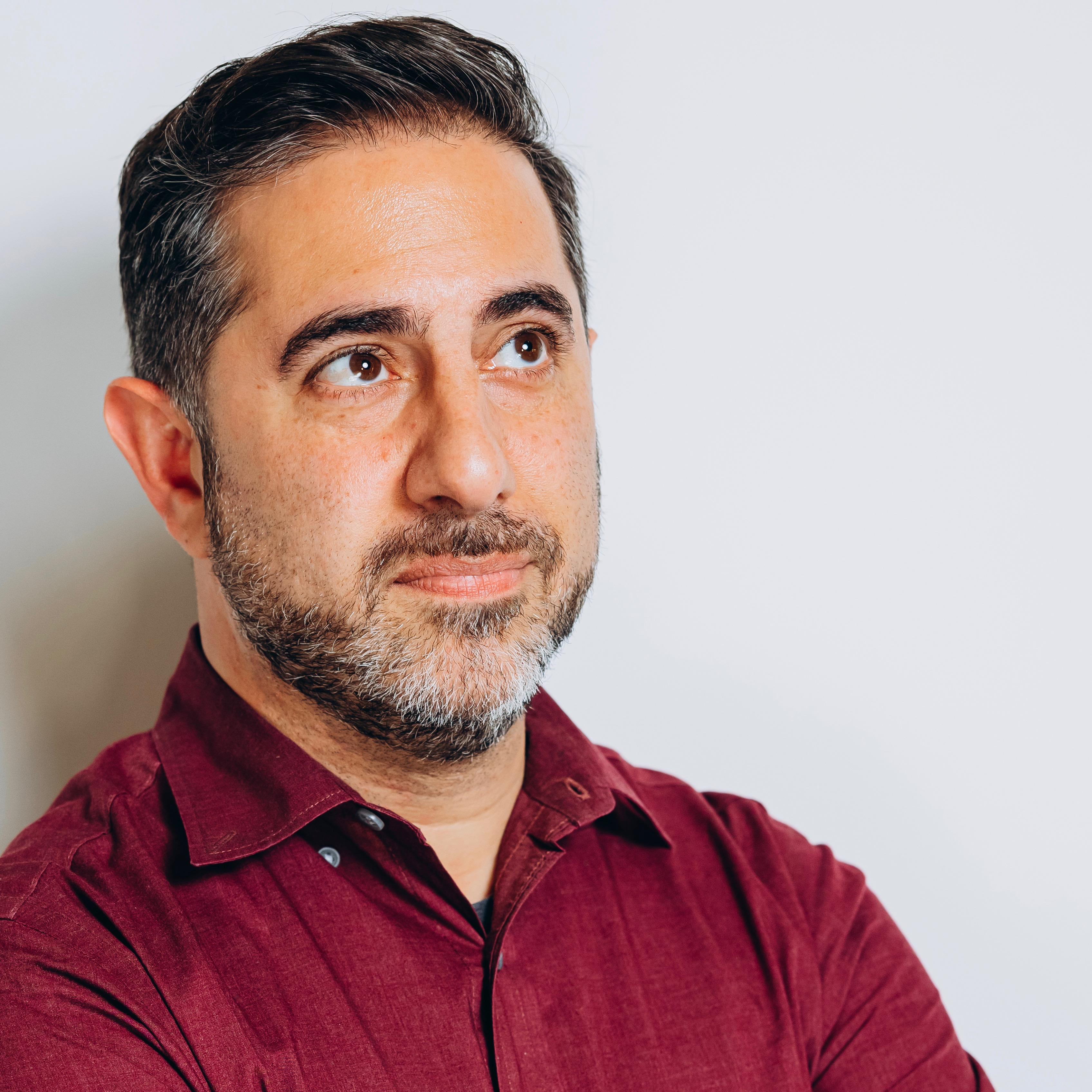
Nima Shirazi
Irresistible Forces, Immovable Objects
How we talk about climate change shapes how we fell – and whether we act
Behavioral ScienceEmotional IntelligenceGlobal StoriesProblem SolvingSociologyStorytellingSustainability
Transcript
The stories that we tell about climate change, they’re going to shape what the future of our species looks like and what our planet looks like. Not just for next year, not just for the next couple of years, I’m talking about 10, 20, 50, 100 years. So no pressure to all the storytellers out there. Okay, right? It’s not like you have a big job to do. I get to just teach about this stuff. You all need to go out there and do it. Now, I want to be really clear from the onset. I am not saying that if we tell the story the right way, we’re going to solve this issue. This is a massive, massive issue. We’re talking about redoing, recreating our economic system, our social system, our political systems, our infrastructure for a more just world. That is no small task. So I don’t want to be glib about the scale of this problem that we’re facing. But if we tell the story and if we tell it well, we’re going to make progress and we have to tell that story. Okay? And we have to tell it for three important reasons. And that’s what I want to talk about today in my couple of minutes with all of you. So you all have seen pictures like this, right? If I tell you that the story of climate change is about the polar bear that cannot find its next meal, can’t find its mate so that it can get to the next generation. If I tell you that climate change is the story of the kangaroo that’s boxed in on all sides by wildfires that it, of course, was not responsible for, how do you feel? These are tough images to look at, right? This is a tough image to look at. How do you feel? Sad. Sad, right? Sad. Okay. So I’m not only going to make you feel negative things today. I can tell you instead that the story of climate change is one of corporate greed. It’s one of an economic and a social and political system run amok. Now, how do you feel? Angry. Angry. Well, we’re doing well here, okay? These are both stories of climate change and they make us feel differently. The more I can tell you that climate change is the story of humanity running headlong into the limits of its ability to survive as a species on this planet. And we hear this story all the time, especially over the past few years and especially in the last 12 months, actually, this story is everywhere, right? Everybody has seen these images. Everybody has heard this 10 years or 12 years. Now how do you feel when that’s the story that I tell you about climate change? Scared. Okay. So we’ve gone through a few different, what we would call negative emotions so far already, right? So we’ve got lots of stories to tell about climate change and the stories make us feel different things. So all the stories that I just told you, the stories of doom and gloom, of a political system run amok, these are all true and accurate stories about climate change. They need to be told because they tell us what we’re moving away from. But there are other stories that I could be telling you about climate change. For example, how do you feel when I tell you that climate change is actually the story of opportunity and innovation? Massive job growth, good jobs, but that this is an opportunity for humanity to decide what it wants to do, what it wants its future to look like. Now how do you feel? Hopeful. Maybe a little bit of pride sneaking in there for our pride session. Or I could tell you that climate change is the story of a singular moment in human history when we get to choose actively with purpose where we’re going to go next. We know enough the scientists and the science of climate tell us what’s going to happen if we go one path or another. That’s actually quite unique in human history that we know what’s going to happen with a lot of confidence despite all the uncertainty and there’s a lot of uncertainty. That’s power. That means that we have an opportunity here to decide where we go. This also should make us feel hopeful and optimistic. These are also stories of climate change. This brings me to the second critical reason that I think we need to think more about how we tell the story of climate change. That is that how we feel about this issue, how we feel about all the issues that all of us are working on are going to shape in a deeply powerful way what we do, whether we act and what those actions look like as we’ve been hearing about. In my own work, we think a lot about emotion and engagement and different types of engagement and action. One of the things that we found is that people tend to feel pretty badly about this issue and sometimes that motivates action. In fact, we all had an opportunity to think about climate change with Frank. There was a little bit on the website, I’m not sure how many people noticed, where it said you can offset your travel to Frank. Some people noticed that. There’s nothing wrong with offsetting your carbon emissions, but it puts us in a particular frame. What is the frame when I’m asking each of you to offset? I’m asking you to take some personal responsibility. There’s nothing wrong with personal responsibility, but what are the emotions that are going to be affiliated with personal responsibility in the context of this massive issue? Shame and guilt and hopelessness. We need to, as we’ve heard earlier today, we need to acknowledge those emotions because they’re critical. What we found in some of our work is that when we can help people anticipate the future that they want, anticipate the future that we could have if we get this right, if we help make them feel proud about the future that is to be, they become much more engaged with this issue. They’re able to think about it and sit with the challenges that we face, and then they’re ready to go out. They’re ready to be active in the world. What I think we’re finding in my own work, and now there’s a decade of research at this kind of interface of climate change and psychology and decision making and emotion, we need to engage the full suite of emotional responses. We need the guilt and the fear and the sadness and the anger, but we also need the pride and the joy and the hope and the optimism. We need to engage all of those if we want to push people in the right direction. That really brings me to the ultimate reason why I want us to think very carefully about how we tell the story of climate change. Because how we tell the story is going to constrain both for better and for worse the types of future that we envision for ourselves. Right now the stories that we hear about climate change most frequently are stories of what we need to avoid. They’re about the future that we cannot accept, and that is critical. We need to talk about that story. We need to know what it is that we’re moving away from, but we also need to have the story of what it is that we want to move towards. That is the story that I think we’re just starting to tell in a more effective way in the context of climate change. Actually on lots of the issues that we face, and if we can tell that story we’re going to become much, much more likely to move towards that more just and kind and diverse and flourishing world that all of us want to seek. That’s why I came here today, was that I want to encourage all of the storytellers in this room to think more holistically, to think bigger when we’re talking about climate change, when we’re talking about these issues, because we need, as I said, to engage that full suite of emotional responses. If we can do that, then I am much more hopeful and I think I will be proud of where we are heading as a species on this issue. Thank you.