
Fresh From the frank Stage
Standout talks from the most recent 2023 gathering, featuring bold voices, urgent truths and unforgettable moments.

Amahra Spence
Liberation Rehearsal Notes from a Time Traveler

Shanelle Matthews
Narrative Power Today for an Abolitionist Future
Nima Shirazi
Irresistible Forces, Immovable Objects
The Speaker
Davin Phoenix Educator and Author
Davin Phoenix is a teacher and scholar of race, emotion and political behavior. A first generation college graduate, Davin researches how humans interact with various spheres of U.S. politics to shape the attitudes, emotions and behavior of both everyday people and elites.
Watch Next
-
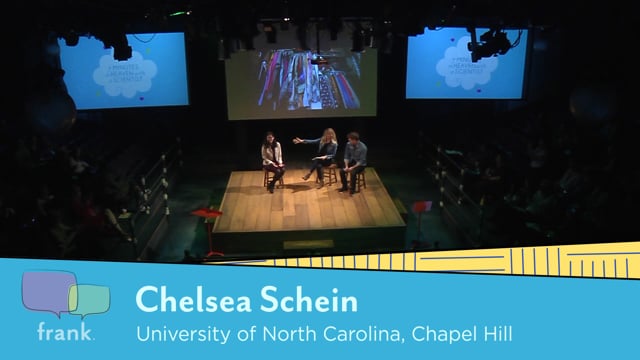 Seven Minutes In Heaven… With A Scientist
 -
 Moral Uprising with the Poor People’s Campaign
 -
 The Unintended Consequences of Emotional Appeal
The Anger Gap: Seeing Red beyond Black and White
Behavioral ScienceEmotional IntelligenceProblem SolvingSociologyStorytelling
Transcript
I actually want to open with a somber acknowledgement of a belated birthday. I’m sure as many of you saw, Trayvon Martin would have turned 25 yesterday. So I want to, especially being here in Florida, just acknowledge him and honor his legacy. So I want you to now travel back in time with me. Back, back all the way back to inauguration 2017. Believe it or not, that was just three years ago. All right? What are the sounds that continue to ring in your ears from that moment? What sights can you continue to envision for me? It’s the sights and the sounds of anger. Look at this thing. That’s the other way. The big one, the big one goes forward, anger, right? Particularly these women’s marches across the nation. These efforts to turn dismay into defiance and to mobilize on the basis of this righteous indignation. You know, what a contrast between the emotions on display in that day and the emotions on display the last time a newly elected president was inaugurated. So come back in time with me a little further. Let’s go back to January 2009. You know, I was there for that inauguration and there were two sensations. One, my feet were freezing cold. But my heart was warmed by the expressions of joy and jubilation. Especially from the throngs of black folks gathered along that national mall that day. So the older black folks, they would tell everyone within earshot, out of earshot too, right? Never thought this day would come. And there was that palpable sense of pride, right? Young folks swaying and swagging. Not yes we can, yes we did. That contrast between the emotions on display in these very different times is really instructive because I found in my research that emotions move the needle very differently across these racial groups. So when I look into the effects of anger, I find these really clear differences. Ah, so these are the old slides, right? So I’ll skip this. I’ll say this because you can’t really get through that, right? This is the academic way of presenting, right? Different vibe, different crowd, different room. Here’s what I find, right? When I’ve asked folks across 40 years of surveys and experiments, right? What makes you angry about politics? Are you angry? I find white folks that anger is mobilizing. Makes them more likely to donate and canvas and meet with others to solve local problems and contact officials and protest and boycott. African-Americans, not so much. I’m not finding anger move the needle. And why is that, right? I asked black folks, white folks across the nation, what makes you angry about politics? It wasn’t just the object of their anger that differed. It was the language that they used. As we saw yesterday, many of our thoughts and our words are unconscious. And so the language they’re using really displays the actual sentiment they’re feeling. If you can see right here, I’m tired of officers getting off, right? I’m tired of this gender pay gap. I’m tired of health care costs being too high. Tired, that’s fatigue, right? That’s a sense of exhaustion with these unrelenting threats. We’ve got someone here talking about constantly living in fear. Not in dignity, in fear, that sense of anxiety, that sense of threat, right? And here that buying into this idea of there’s a cost of black people expressing their anger. It can lead to rioting, something worse. We can dive into those costs, but let’s look at the contrast how white folks were expressing their anger over politics. A very different set of words, right? The thing that enrages me about this system, that’s that mobilizing anger, right? It’s infuriating how these rich old white men own everything. Even when I saw white folks kind of rejecting that anger frame, it was like this man that said politics is for politicians. He wrote that in all caps. That’s the angry type set, right? We can note those differences, right? And so what is this difference that’s happening into? All my name is to think about the cost of being angry, right? How many of you remember the Obama anger translator sketch from Keel and Keele, right? What was the conceit of this year’s long sketch? Even occupying the highest office in the land, this black man and this black woman, this first lady, couldn’t defy those norms of civility because they would pay high costs. Consider the scrutinization of black athletes who get black balled for daring to state challenges to the system or a state of dissatisfaction with the system or being told derisively, shut up and drool, right? And think about the long and continuing tradition of surveillance and scrutiny and infiltration of black organizing and activist movements. This history sends a message loud and clear. If you dare express that anger over politics, there will be costs to pay. And so we’re looking to mobilize African Americans and other communities because you guys see these patterns present for Latinx and Asian Americans as well. We can’t just bombard them with threats, right? That might not incite the type of indignant response we’re expecting, right? It can remind groups of that lack of agency they perceive in politics and make them feel demobilized, make them feel debilitated. And contrast, right? And I’ll skip these because academic, academic, blah, blah, blah, blah, right? These are in the book though, so you can see these in the book. Pride is having this unique effect for black, Latinx, and Asian Americans. Their expressions of pride are correlated with more participation, more likely to contact officials, more likely to protest, more likely to boycott, more likely to work with others to solve local problems, more likely to attend town halls and meetings. And so what is it about pride that’s moving the needle? We can draw some contrast. Anger is rooted in someone violating a norm, someone longing you. So it’s based on external context, right? Someone has to do something to me I don’t like. Pride can be felt in times of joy, in times of distress because it’s self-reflective. I feel pride over something I achieved, something I accomplished, something I overcame. And so whereas for me to feel anger, I need to have control and agency, this is really critical because people of color often, when I ask them, how much political power do you feel you have not as an individual but collectively as a group? I see very pessimistic responses, right? I see people when I ask them as an individual. Yeah, I have all the power in the world to get things done in my community. When I ask them a bit later, what about your racial group? Nah, nah, nah, you know. And it’s not about reflecting our capacity, right? It’s about a system that’s received as hostile or indifferent to our interests. And so this is where pride is key. When we feel proud over what we’ve accomplished, we feel a greater sense of control. We call yesterday we were led in doing this arena this month, right? We did the, in this moment when I’m proud of my accomplishment, I’m not only in this moment, I’m pumped for the next round, pumped for the next match, right? Excited for that next uphill battle to fight. And so pride can be really instrumental in getting people of color off the sidelines onto the playing field. And lastly, while anger spurs the sense of impulsivity, in that moment I kind of act first, ask questions later, right? Think about the consequences later. Pride sparks joy. Again, as we saw yesterday, that sense of happiness can compel action from folks. And so when we think about the landscape of popular culture, social spaces, and even politics, we can consider those pride messages, those affirmations of black beauty and affirmations of the value of black lives can instill that sense of pride. And in the political landscape, that sense of victory is won. That sense of not yes we can, yes we did. That can compel action. I wish this story was that simple, right? But there’s always a complicating factor, right? Four groups of color, black, Latinx, and Asian Americans, I looked at the relationship between the pride they expressed and their policy preferences. Did the same thing with anger. I found that those that were expressing more pride were actually more supportive of deporting undocumented immigrants. Just more approval of racial profiling. In contrast, these groups of color expressions of anger were associated with supporting a pathway to citizenship, opposing racial profiling, and seeing the value in working together across races in the Trump era. And so it’s not as simple as motivating us into pride that can be like an ego boost, right? We have to be really careful in the ways in which we’re appealing to pride. We want to craft a narrative that says the harder victories that have been won have been won by interracial solidarity and intracrug group cooperation. We need to understand the value and the radical power of lifting while we climb and censoring the most marginalized members of any group within the organizing, within the activism being done. For us to be able to do that, for us to be able to craft that kind of narrative can be compelling. Look at this time and we ask, did you stand in solidarity with other groups? Did you stand for the least of these? Did you organize and mobilize in defiance of a racist and sexist and homophobic and transphobic and xenophobic and classist political order? The answer can be a proud and a defiant and a resolute. Yes, we did. Thank you. Thank you. Thank you. Thank you. Thank you. Thank you. Thank you. Thank you.
Watch Next
-
Seven Minutes In Heaven… With A Scientist
-
Moral Uprising with the Poor People’s Campaign
-
The Unintended Consequences of Emotional Appeal